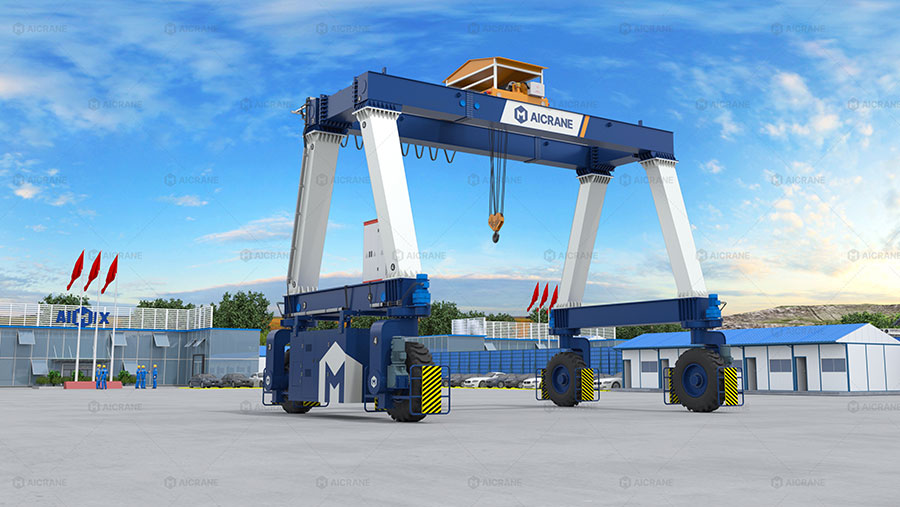
Rubber Tyred Gantry (RTG) cranes are essential equipment in container terminals, warehouses, and heavy industrial yards, offering mobility, efficiency, and high lifting capacities. Understanding the cost structure behind their manufacturing is crucial for crane manufacturers, operators, and investors seeking to optimize production and maintain competitive pricing. The cost structure of RTG crane manufacturing encompasses a range of factors, from raw materials to labor, technological inputs, and after-sales service. In this article, we explore the major cost components, their significance, and how manufacturers manage them to produce high-quality RTG cranes efficiently.
1. Raw Materials: The Foundation of RTG Crane Manufacturing
The backbone of RTG rubber tyred gantry crane manufacturing lies in the raw materials used in the crane’s main structure, lifting mechanism, and mobility system. Steel is the most critical material, as RTG cranes are large, heavy-duty machines designed to lift containers weighing 20 to 60 tons or more. High-quality structural steel accounts for a substantial portion of the total manufacturing cost, often ranging between 30% and 40% of the production budget.
Other important materials include:
-
Hydraulic and electrical components: High-performance hydraulic cylinders, motors, pumps, and control systems are essential for lifting and mobility. These components must meet strict durability and safety standards.
-
Rubber tires and wheels: As the RTG crane relies on mobility over paved surfaces, premium industrial tires and wheel assemblies are critical.
-
Electronics and automation parts: Modern RTG cranes increasingly include automation systems such as remote control, semi-automated stacking, and anti-collision sensors, which add to the material cost.
Fluctuations in global steel and commodity prices can significantly impact RTG crane manufacturing costs, making material procurement strategies a vital part of cost management.
2. Design and Engineering Costs
Before production begins, significant investment is required in engineering and design. The complexity of RTG cranes—especially large-capacity and long-span models—demands precise structural analysis, stress testing, and mechanical design.
-
Structural design and simulations: Engineers use software to simulate crane behavior under load, ensuring safety and compliance with standards such as ISO and FEM. These simulations require advanced computer-aided design (CAD) and finite element analysis (FEA) software, as well as experienced engineers.
-
Customization and adaptability: RTG cranes are often designed to match the specific layout of a terminal, including lane spacing, stacking height, and operational speed. Custom designs increase engineering costs but ensure optimal performance.
-
Prototyping and testing: Some gantry crane manufacturers build scale models or prototypes to verify mechanical integrity, which adds to the overall design and engineering expenditure.
The design and engineering phase is critical because errors or oversights can result in higher operational costs, safety risks, or costly modifications during assembly.
3. Manufacturing and Fabrication Costs
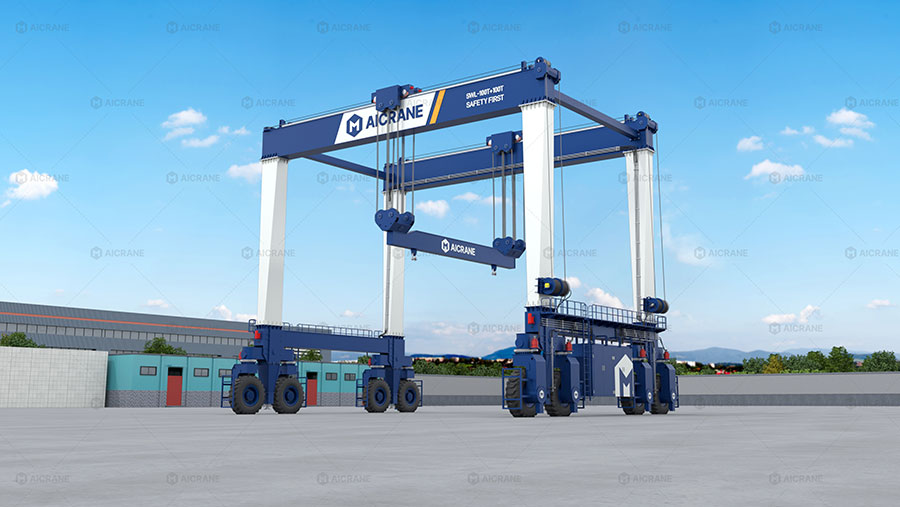
Once the design phase is complete, the RTG crane enters the manufacturing stage. This phase includes multiple subcomponents, each contributing to the overall cost structure.
a. Steel Fabrication
Steel fabrication involves cutting, welding, and assembling the crane’s girder, legs, and trolley structures. Fabrication costs are influenced by:
-
Labor intensity: Skilled welders, machinists, and assembly technicians are required to handle complex structural elements.
-
Equipment usage: CNC machines, welding robots, and heavy lifting tools are capital-intensive, and their depreciation is factored into manufacturing costs.
-
Quality control: Non-destructive testing (NDT), dimensional inspections, and load testing ensure that the large mobile gantry crane meets international standards, adding additional labor and equipment costs.
b. Mechanical Assembly
After the structural components are fabricated, the mechanical systems are installed:
-
Hoisting mechanisms: Wire ropes, sheaves, motors, and brakes are integrated into the crane’s hoist system.
-
Mobility systems: Axle assemblies, wheel mounts, and rubber tires are installed to allow smooth movement of the crane along terminal lanes.
-
Hydraulic and pneumatic systems: For RTG cranes with hydraulic spreaders or lifting aids, installation and testing of cylinders, pumps, and fluid systems represent a significant expense.
c. Electrical Systems
Modern RTG cranes rely heavily on electrical components for operation, including:
-
Motors and drives: Electric motors power the hoist, trolley, and gantry movements, while variable frequency drives (VFDs) ensure precise speed control.
-
Control systems: PLCs, HMI panels, and remote control systems require careful integration and calibration.
-
Automation features: Anti-sway systems, load sensors, and semi-automation functions increase manufacturing complexity and cost.
Electrical systems not only increase upfront costs but also require rigorous testing to guarantee safety and reliability.
4. Labor Costs
Labor costs form a significant portion of RTG crane manufacturing expenses. Unlike simple machinery, RTG cranes involve highly skilled technicians, engineers, and assembly workers. Labor costs are divided into:
-
Engineering labor: Structural engineers, mechanical engineers, and electrical engineers involved in design and assembly supervision.
-
Skilled fabrication labor: Welders, machinists, and assembly technicians for steel and mechanical components.
-
Quality control labor: Inspectors and testers responsible for compliance with ISO, CE, or local standards.
In regions with high labor rates, labor costs can account for 20–30% of the total manufacturing cost, making automation and process optimization key strategies for cost control.
5. Testing and Quality Assurance Costs
Safety and reliability are paramount in RTG crane manufacturing. Manufacturers allocate a portion of their budget for rigorous testing, including:
-
Load testing: Cranes are subjected to full-load and over-load tests to verify structural and mechanical integrity.
-
Operational testing: Hoist, trolley, and gantry motions are tested under various conditions.
-
Electrical and control verification: All automation, PLC, and remote control functions are thoroughly tested to prevent failures during operation.
Quality assurance ensures long-term performance and reduces warranty claims but increases upfront manufacturing expenses.
6. Overhead and Administrative Costs
Beyond the direct manufacturing expenses, overhead costs include factory maintenance, utilities, insurance, research and development, marketing, and administrative salaries. These costs are often distributed across each unit manufactured but can be significant for high-end RTG cranes that involve advanced technology and customization.
7. Logistics and Supply Chain Costs
RTG cranes are large and heavy, making logistics an important cost factor:
-
Transportation of raw materials: Steel, hydraulic components, and electronics must be sourced from multiple suppliers and transported to the manufacturing facility.
-
Delivery of completed cranes: Finished RTG cranes often require special transport, including heavy-duty trucks, shipping containers, or disassembly for overseas shipment.
-
Warehousing: Large storage areas are required for components and partially assembled cranes.
Effective supply chain management helps manufacturers reduce costs and ensure timely delivery.
8. Strategies to Optimize Cost Structure
Manufacturers adopt various strategies to manage and optimize the RTG gantry crane cost structure:
-
Material sourcing optimization: Bulk purchasing of steel and electronic components can reduce costs.
-
Automation in fabrication: Using welding robots, CNC cutting, and automated assembly lines reduces labor costs and improves quality consistency.
-
Standardization of components: Standardizing motors, hydraulic units, and control systems across multiple crane models lowers procurement and maintenance costs.
-
Lean manufacturing principles: Streamlining production processes, reducing waste, and improving workflow enhance overall efficiency and cost-effectiveness.
9. Conclusion
The cost structure of Rubber Tyred Gantry crane manufacturing is multi-faceted, encompassing raw materials, design and engineering, fabrication, labor, testing, overhead, and logistics. Steel and mechanical components account for the largest portion of costs, while labor and quality assurance are also substantial contributors. As the demand for efficient container handling grows worldwide, manufacturers must balance cost optimization with performance, safety, and durability.
By understanding each cost component, manufacturers can make informed decisions to improve production efficiency, reduce unnecessary expenses, and deliver reliable, high-quality RTG cranes. Furthermore, investment in automation, supply chain management, and standardized components allows manufacturers to remain competitive in a market increasingly driven by technology and operational efficiency.
For crane operators and investors, a clear understanding of the cost structure helps in evaluating pricing, assessing ROI, and ensuring long-term operational sustainability. Ultimately, effective cost management in RTG crane manufacturing leads to machines that are not only cost-effective but also highly efficient and reliable, supporting the growing needs of container terminals and industrial logistics worldwide.