The concrete industry is foundational to global infrastructure, and one of the first questions aspiring entrepreneurs or construction planners ask is: How much does a concrete batch plant cost? The answer isn’t one fixed number — it varies widely based on plant type, capacity, automation level, local regulations, labor costs, and regional economic conditions. In this global price overview, we’ll compare typical costs in several key markets and share strategic insights linking costs with decisions on batching plant China imports, concrete batching plant Indonesia projects, and how to start a concrete business in diverse environments.
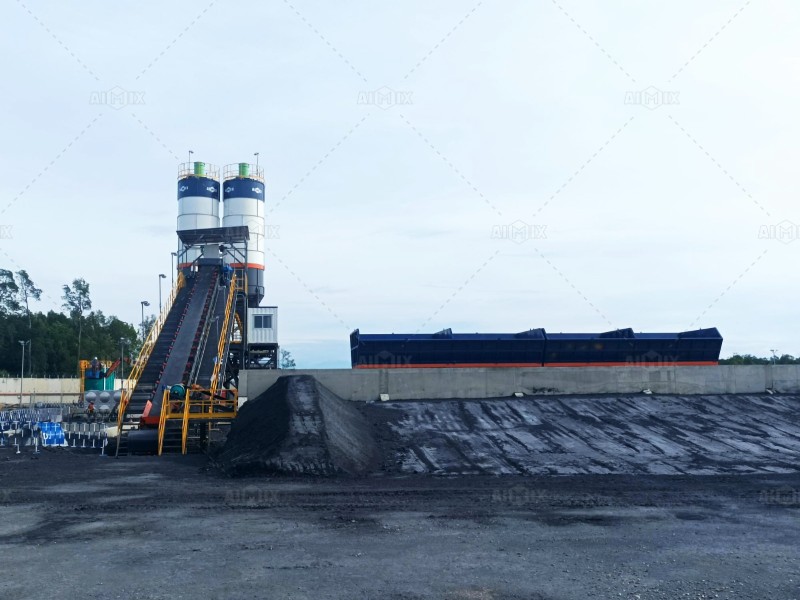
1. Understanding the Cost Components of a Concrete Batch Plant
Before comparing countries, it’s important to understand what drives cost:
-
Plant Type & Capacity: Mobile plants vs stationary plants; medium vs high capacity.
-
Automation Level: Manual plants are cheaper; fully automated systems cost more but improve consistency and reduce labor.
-
Local Taxes & Import Duties: Importing equipment (e.g., batching plant China) incurs tariffs and logistical costs.
-
Installation & Commissioning: Varies by region based on technical labor rates.
-
Support Services: Warranty, training, and after‑sales service impact total investment.
Because these factors differ globally, cost benchmarks must be contextualized.
2. North America (USA & Canada)
In mature construction markets like the USA and Canada, costs tend to be higher due to stricter certification standards and higher labor costs.
-
A small‑to‑medium concrete batch plant with basic automation can cost roughly $200,000 – $500,000.
-
Large commercial plants with full automation and blending systems often exceed $800,000 – $1.5 million.
-
Customizations for environmental compliance (dust control, recycling systems) can increase costs further.
Importing equipment, for example considering a batching plant China manufacturer, can sometimes lower the hardware price but adds shipping, duties, and certification costs that must be factored in. Still, competitive options from China remain attractive to many startups.
3. South America (Brazil, Chile, Colombia)
South American countries have expanding infrastructure needs, but local manufacturing expertise varies.
-
Basic plants often land between $150,000 – $400,000.
-
Automated or larger systems typically range from $500,000 – $1 million.
-
In countries like Brazil and Chile, import duties on foreign‑made plants (including Chinese equipment) may raise total investment needs.
Many local contractors still look for batching plant China models because they offer attractive price points and modular options that fit mid‑sized projects. Beyond price, reliable logistics and overseas support should be assessed.
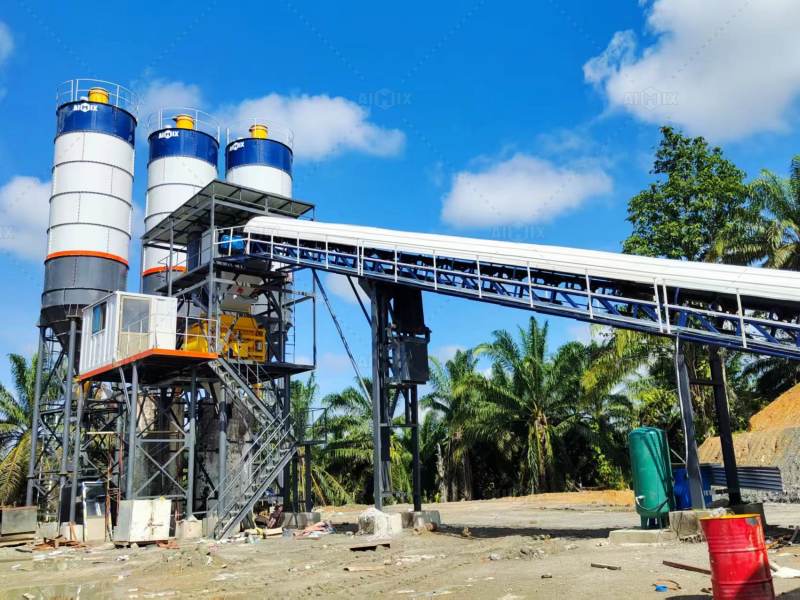
4. Southeast Asia (Indonesia, Vietnam, Philippines)
In Southeast Asia, rapid urbanization and infrastructure investment are driving up demand for concrete operations. A standout market is Indonesia, where many companies ask about concrete batching plant Indonesia pricing.
-
Small or portable plants with minimal automation: $100,000 – $300,000.
-
Medium capacity plants with partial automation: $250,000 – $600,000.
-
High capacity / fully automated plants: $600,000 – $900,000+.
Concrete batching plant Indonesia projects often lean toward cost‑efficient imports or regional assembly models. Lower labor costs reduce installation expenses compared to Western markets, but import duties still play a role. Local partners familiar with Indonesian regulations can help reduce setup risk.
5. Middle East & North Africa (MENA)
Oil‑rich and infrastructure‑focused nations like the UAE, Saudi Arabia, and Egypt have strong demand for high‑capacity concrete plants.
-
High‑end plants with automation and blending systems: $800,000 – $1.6 million.
-
Even standard plants on the Gulf often trend above global averages due to import logistics and climatic adaptations (e.g., cooling systems in desert conditions).
Companies often seek batching plant China solutions with enhanced durability and dust suppression systems to comply with local environmental requirements.
6. Africa (Kenya, South Africa, Nigeria)
African markets are highly price‑sensitive but growing. Cost expectations:
-
Small starter plants: $80,000 – $250,000.
-
Mid‑range plants: $250,000 – $600,000.
-
Large industrial plants: $600,000+ (less frequent due to financing limits).
Because local fabrication capacity is limited in many regions, imported options — including batching plant China — dominate. The cost advantage of Chinese manufacturers often aligns with the capital constraints that African businesses face.
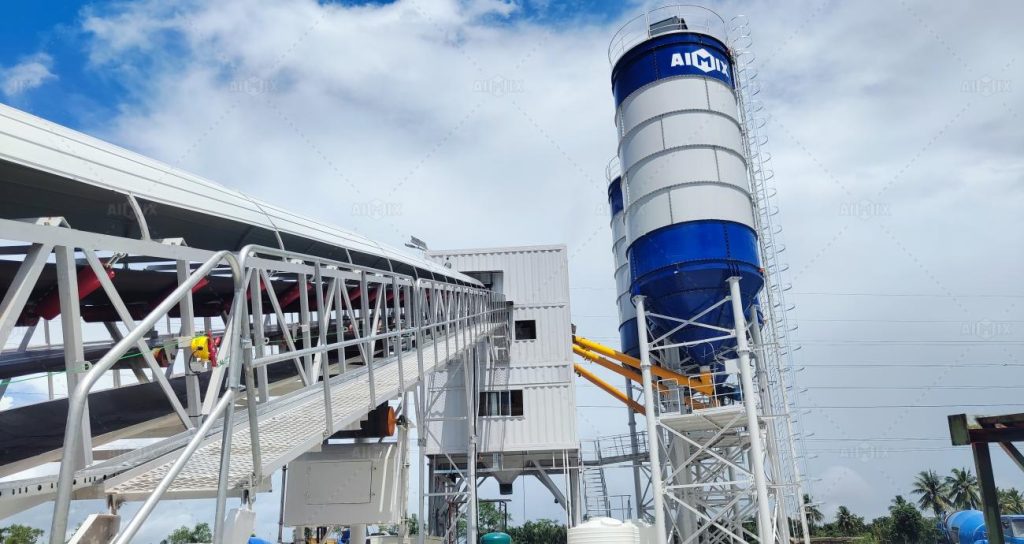
7. Asia (China, India)
China and India are huge consumers and producers of concrete equipment. Local supply chains and competition keep costs relatively lower:
-
Basic plants: $70,000 – $200,000.
-
Mid‑range automated plants: $200,000 – $500,000.
-
Large industrial plants: $500,000 – $900,000+.
In China, plants are often built with domestic components, reducing costs and allowing for rapid installation cycles. Countries importing these units (e.g., concrete batching plant Indonesia buyers) benefit from this dynamic.
8. Linking Costs with Business Strategy: How to Start a Concrete Business
When asking “How much does a concrete batch plant cost?”, you should connect it to your business plan:
-
Market Research: Identify demand zones and pricing for ready‑mix concrete.
-
Plant Selection: Choose the right capacity balancing cost and projected sales volume.
-
Financing: Explore leasing, bank loans, or partnerships to manage upfront costs.
-
Supplier Evaluation: Consider batching plant China manufacturers for competitive pricing, but assess warranty, spare parts availability, and technical support.
-
Regulatory Compliance: Understand local environmental, safety, and zoning requirements.
-
Operational Strategy: Invest in automation if labor costs are high or quality consistency is critical.
Getting clear answers on how to start a concrete business goes beyond equipment cost — it includes operating budgets, sales projections, supplier relationships, and marketing strategy.
Conclusion
The question “How much does a concrete batch plant cost?” doesn’t have a universal price tag — it varies significantly by country, plant type, and supporting factors like automation, compliance, and logistics. While regions like North America and the Middle East trend higher due to labor and certification needs, markets in Asia and Africa often benefit from more affordable options, especially when sourcing from manufacturers like those offering batching plant China solutions.
In Indonesia, buyers exploring concrete batching plant Indonesia investments can find competitive mid‑range prices that match infrastructure growth. Regardless of location, a thorough analysis of total investment — hardware, installation, operations, and market conditions — is critical if you want to build a profitable concrete business. Understanding these global cost differences is one of the first steps toward successful planning and execution.