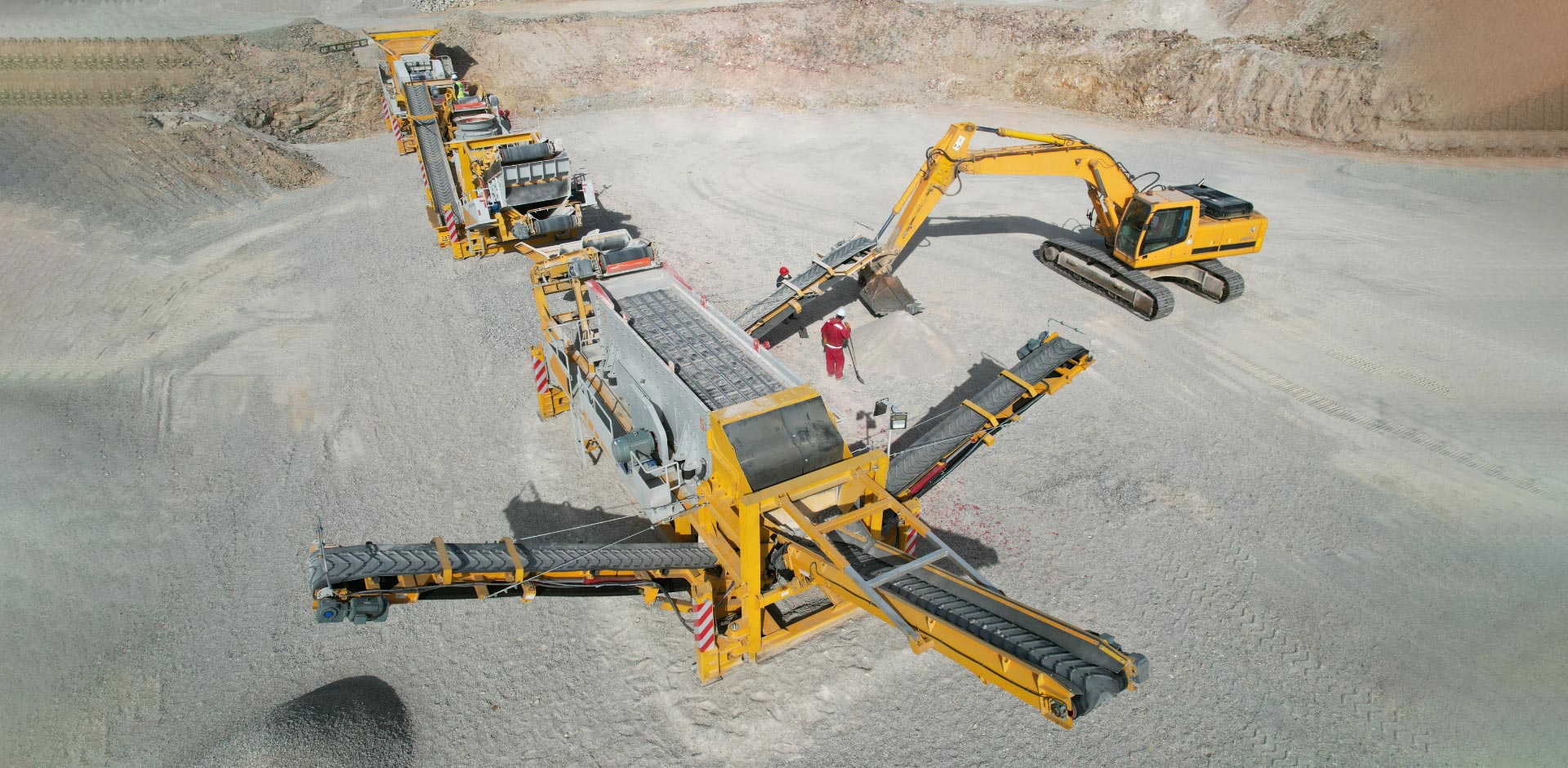
Planning a new site means facing the real question: what will the stone crusher plant cost be? This guide breaks the total investment into clear parts. You will see equipment prices, setup charges, and operating expenses. We also link these to practical choices like stone crushing equipment, crusher machine cost, and jaw crusher cost. The goal is simple. You get a realistic view you can use for quotes and decisions. We avoid hype. We focus on facts, ranges, and useful comparisons you can trust.
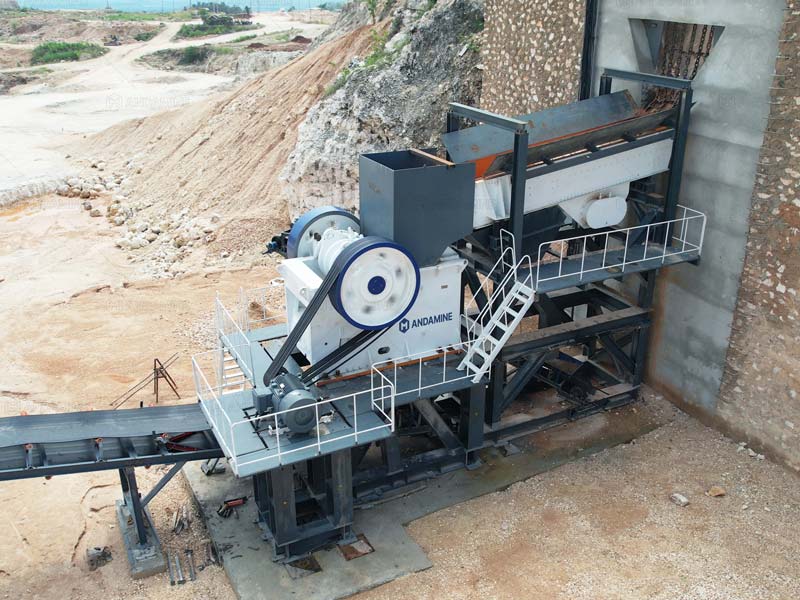
Why cost clarity matters early
First, clear budgets reduce risk. You avoid surprises during installation or operation. Second, early estimates help with financing and permits. Third, you can compare options fairly. For example, a jaw crusher cost is only one part of the full stone crusher plant cost. You must also plan for conveyors, screens, and power. In short, good budgeting improves control. It also improves your return on investment over time.
What drives the total stone crusher plant cost
Several factors shape the final price. Capacity is first. A 50–100 TPH line costs far less than a 300–500 TPH plant. Configuration is next. A single-stage circuit is cheaper than a three-stage system. Equipment quality and brand matter too. Premium brands cost more but may last longer. Mobility also affects price. Mobile crushers cost more than fixed plants per ton but add flexibility. Finally, site needs add cost. Dust suppression, power supply, and permits vary by region. All these factors combine into your total stone crusher plant cost.
Breaking down the cost structure
You can group costs into three areas. First, capital expenditure covers land, equipment, and civil works. Second, installation and commissioning cover foundations, assembly, and testing. Third, operating costs include labor, fuel, parts, and utilities. Each area needs its own line in your budget. This approach keeps your stone crusher plant cost transparent. It also helps track spending as the project moves forward.
Estimated price ranges to set expectations
The following are typical bands for new plants. Small plants of about 50 TPH often need 500,000. Medium plants around 150 TPH can run 1,000,000. Large plants above 300 TPH may exceed $1,000,000. These are capital ranges for equipment and basic installation. They do not include long-term operating costs. Keep in mind that stone crushing equipment choices can shift these numbers up or down. Always ask for itemized quotes.
Equipment costs in focus
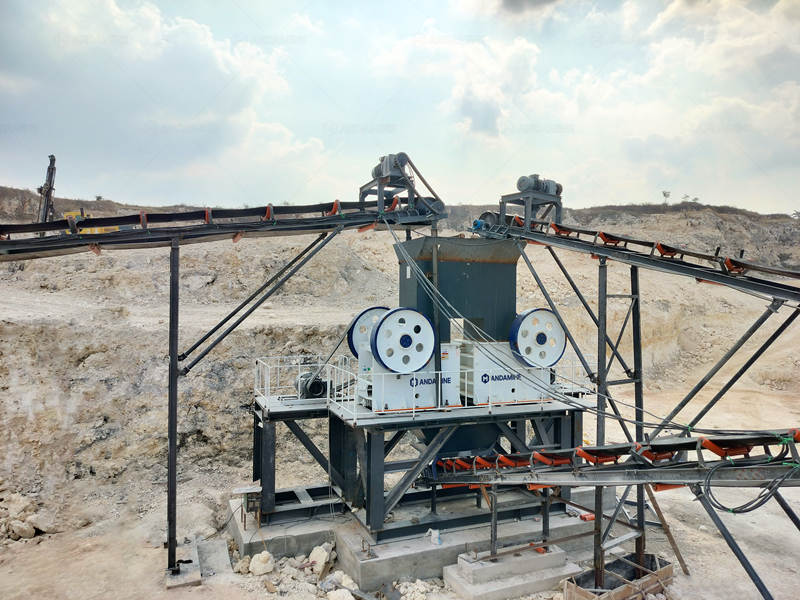
Let us look closer at core machines. A jaw crusher cost often starts around 150,000–Remember, these are machine prices only. You still need feeders, screens, conveyors, and control systems. Together, they form the full stone crushing equipment budget. Matching the right machine to your rock type saves money later.
Mobile vs fixed plants
Mobile jaw crushers offer fast setup and relocation. Compact models may cost 50,000. Mid-sized units can run 250,000. High-capacity tracked plants can exceed 1,000,000. Fixed plants have lower per-ton costs. They also need more site work and a strong foundation. Your project schedule and site access often decide the best option. In either case, include transport, setup, and operator training in your stone crusher plant cost plan.
Operating costs you can forecast
Labor is a major item. For a small site, plan 30,000 per month. Maintenance and repairs can add 36,000 per year. Fuel and utilities often total 4,500 per month. Marketing and sales may need 20,000 per year. These ranges vary by country and wage levels. Still, they help you model cash flow. You can also plan for spare parts and wear items. This keeps downtime low and protects your crusher machine cost efficiency.
Sample budget snapshot
Consider a small plant with 50 TPH output. Equipment might total 150,000. Infrastructure and permitting could add 33,000. First-year labor may reach 360,000. Maintenance and fuel could add 90,000. Marketing might take 20,000. In this case, the first-year total could fall near 711,500. This aligns with published small-plant budgets. Your actual stone crusher plant cost may differ by location and scope.
How to reduce costs without cutting quality
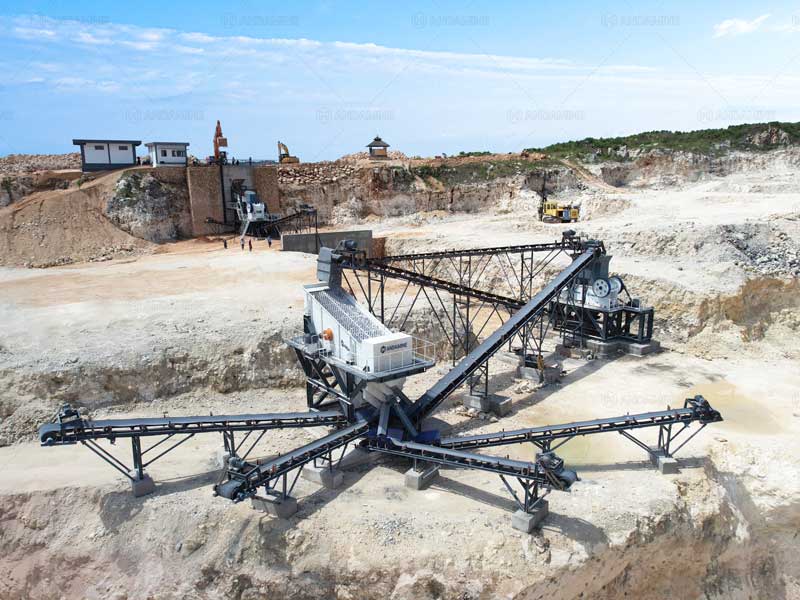
First, size the plant for real demand. Oversizing increases stone crusher plant cost with no benefit. Second, choose the right crusher. Match jaw crusher cost and type to rock hardness. Third, consider mobile crushers for short projects. They avoid civil works and speed start-up. Fourth, plan maintenance early. Stock key wear parts to limit downtime. Fifth, compare multiple suppliers. Ask for itemized quotes and clear delivery terms. These steps improve value without hype.
A simple cost checklist you can use
- Define your target capacity in TPH and product gradation.
- List rock properties like hardness, abrasiveness, and moisture.
- Choose the circuit type and machines: jaw crusher, cone, or impact.
- Add feeders, screens, conveyors, and dust suppression to the plan.
- Request itemized quotes for equipment, shipping, and installation.
- Include permits, power supply, and site preparation in the budget.
- Plan labor, fuel, and spare parts for the first 12 months.
- Review the full stone crusher plant cost and revisit assumptions.
Final thoughts on controlling your investment
In the end, controlling stone crusher plant cost is about clarity and trade-offs. Match capacity to demand. Match machines to rock. Compare real quotes line by line. Plan for operating costs from day one. If you follow these points, you will build a reliable plant. You will also protect your budget and timeline. The result is a practical, well-priced system that serves your market for years.